From Security Assessments to Security Governance: Why Municipalities Are Re-Thinking How Security Is Managed

Across Canada, municipalities continue to invest in physical security risk assessments, audits, and technical reviews. These exercises are valuable. They identify vulnerabilities, document risks, and often produce well-reasoned recommendations that help organizations understand where their security posture is exposed or outdated.


Yet a recurring problem persists: security is assessed but not governed.


Once the final report is delivered, findings slowly lose relevance. Staff turnover occurs. Capital plans shift. Incidents happen. Council priorities change. What was once a defensible, risk-informed position gradually becoming outdated until the next incident forces renewed attention.


This gap between assessment and sustained oversight is where many municipal security programs quietly fail.


Why One-Time Security Assessments Plateau

Most municipalities do not struggle with identifying security risks. They struggle with maintaining institutional memory, accountability, and continuity over time.


In practice, this often shows up in predictable ways. Security incidents may recur without meaningful longitudinal analysis to determine whether risk is increasing, shifting, or simply unmanaged. Access control and CCTV systems age in place, operating well past their intended lifecycle, without a clear modernization or replacement roadmap. When auditors or insurers ask how security risks are being managed, documentation exists but it is outdated, fragmented, or no longer reflective of current conditions.


These challenges are compounded by turnover in Facilities, Corporate Security, or Operations roles, where critical knowledge about why certain decisions were made leaves with the individual. The issue is frequently brought to the surface following a public or high-visibility incident, when Council pressure accelerates questions that should have been addressed gradually and proactively.


In these moments, the organization is not starting from zero. Controls exist. Assessments have been done. But the municipality is often operating without a living security governance framework that connects past decisions to present realities.


Security findings decay when there is no stewardship mechanism in place to track how risks were accepted or mitigated, confirm whether recommendations were implemented as intended, and reassess underlying assumptions as operations, threats, or environments change. Without that structure, even well-executed assessments plateau.


Security as an Operating Discipline, Not a Project

Mature municipal risk disciplines such as finance, health and safety, and emergency management are not treated as episodic projects. They are governed functions, supported by defined cadence, oversight, and reporting structures that persist regardless of individual staff changes or political cycles.


Security should be no different.


A resilient municipal security posture depends less on individual technologies and more on how security is governed. Clear lines of ownership, consistent visibility into performance, and decision-grade information for senior leadership and Council matter far more than any single system or control. Without governance, technology becomes reactive, investments become fragmented, and accountability becomes unclear.


This is where Security Program-as-a-Service enters the conversation not as outsourcing, but as structured governance support.


What Security Program-as-a-Service Actually Is

Security Program-as-a-Service (SPaaS) is best understood as a standing advisory and assurance function that supports municipal leadership in governing security risk over time. It is designed to provide continuity, independent oversight, and forensic-level discipline to how security risks are identified, tracked, and reported.


Equally important is what it is not.


SPaaS does not involve guard force management, day-to-day incident response, or the transfer of operational authority. It does not replace internal decision-making or accountability. Instead, it operates as an embedded governance partner, helping municipalities maintain clarity, consistency, and defensibility in their security posture.


The line is drawn clearly:

| SPaaS governs the program; it does not run operations.


How SPaaS Works in a Municipal Context

While tailored to each organization, a typical municipal SPaaS engagement follows a predictable and disciplined structure. Quarterly governance reviews are aligned with Council reporting and budget cycles, ensuring security risk remains visible at the right level and at the right time.


A living security risk register is maintained and updated as conditions change, rather than revisited only when an incident occurs. Vendor and integrator performance is reviewed to confirm that security investments are delivering their intended outcomes, not simply being maintained out of habit. KPI and KRI dashboards translate technical findings into executive-level insight, allowing leadership to see trends, emerging risks, and areas requiring attention.


An annual program refresh provides a formal checkpoint to validate assumptions, reassess threat context, and confirm whether residual risk remains acceptable.


The cadence is predictable. The outputs are decision-oriented. The focus is governance, not gadgets.


What Municipalities Gain

Municipalities using this model gain far more than updated documentation. They gain continuity, even as staff or leadership changes occur. They gain defensibility when questioned by auditors, insurers, or the public about how security risks are being managed.


Early visibility into emerging risks allows issues to be addressed before they escalate into incidents. Institutional memory is preserved beyond individual roles, and leadership is supported with a clear, consistent security narrative they can stand behind.


Most importantly, security decisions shift from reactive to deliberate.


What It Is Not

To be explicit, Security Program-as-a-Service is not a guarding solution, an IT or SOC monitoring service, or an investigations unit. It is not a substitute for municipal authority or accountability.


It is a governance and assurance model designed to help municipalities own their security posture with clarity and confidence.


From Projects to Programs

Security incidents will continue to occur. Public scrutiny will not diminish. Budgets will remain constrained, even as expectations for transparency and accountability continue to rise.


In this environment, the question facing municipalities is no longer whether security risks should be assessed, but how those risks are governed over time. One-time studies, however well executed, capture only a moment in time and are not designed to carry an organization through staff turnover, evolving threat environments, or shifting Council priorities.


Moving from one-time projects to an enduring program model is not a technological shift. It is a governance decision, one that determines whether security remains reactive, or becomes a managed, defensible municipal function.


If your Municipality wants to learn more about this topic , contact me directly at [email protected] for further assistance.

Share

2025: A Year of Secruity, Done Properly

In an environment where security is often discussed in absolutes, more technology, more controls, more urgency. 2025 reinforced a quieter but more important truth: effective security is not about volume or visibility. It is about judgment.


Over the past year, organizations across public, private, and critical environments have faced increasingly complex risk landscapes. Physical security threats have not disappeared; they have diversified. Operational constraints, governance expectations, regulatory scrutiny, and reputational risk now intersect in ways that demand clarity rather than reaction.


This year’s work reinforced a consistent theme: security that is fit for purpose, defensible, and aligned to organizational reality outperforms security that is simply performative.


Physical Security, Risk, and Governance in Practice

Physical security cannot be treated as a standalone discipline. In 2025, the most effective programs were those that treated security as a governance function, one that integrates risk management, policy, operational capability, and executive oversight.


Across multiple engagements, the focus was not on identifying every conceivable threat, but on understanding which risks materially mattered to the organization. This distinction is critical. Not every vulnerability requires remediation, and not every risk justifies investment. Mature security programs differentiate between theoretical exposure and operational consequence.


Risk-informed decision-making grounded in evidence rather than assumption, allowed organizations to allocate resources deliberately, defend decisions internally, and communicate clearly with leadership.


Risk Assessments as Decision Tools

Threat and risk assessments were not treated as static reports or compliance exercises. Instead, they were used as structured decision tools.


Effective assessments in 2025 demonstrated several common characteristics:

  •  Clearly defined accountability
  • Aligned with actual operational capability
  • Reflected regulatory and legal realities
  • Enabled enforcement rather than exception

The value of these assessments was not in identifying risk, but in enabling informed trade-offs. Leadership does not require certainty; it requires defensible reasoning. When assessments were framed accordingly, they supported strategic conversations rather than operational debate.


Policy and Governance Frameworks That Function

Policy development and governance frameworks represented a significant portion of security work this year. Not because policies were missing, but because many existed without clarity, ownership, or operational linkage.


Effective governance frameworks in 2025 moved beyond aspirational language. They:

  • Clearly defined accountability
  • Aligned with actual operational capability
  • Reflected regulatory and legal realities
  • Enabled enforcement rather than exception

Importantly, governance was positioned as an enabler, not a constraint. When policies reflected how organizations actually functioned, compliance improved and risk posture became more consistent across sites and business units.


Executive and Board Advisory: Speaking the Right Language

Security discussions at the executive and board level require translation. Technical detail must give way to consequence, exposure, and decision thresholds.


Advisory work this year focused on helping leadership understand:

  • What risks were being accepted, and why
  • Where controls were sufficient, and where they were not
  • How security aligned to broader enterprise risk management

The most productive conversations occurred when security was framed not as a cost center or protective function, but as a governance responsibility tied to duty of care, operational resilience, and organizational credibility.


Measured. Defensible. Fit for Purpose.

These three principles consistently defined effective security outcomes in 2025.


Measured security avoids reaction. It relies on proportionate response, calibrated controls, and evidence-based prioritization.


Defensible security withstands scrutiny. It can be explained, justified, and supported when challenged by regulators, auditors, executives, or the public.


Fit-for-purpose security acknowledges context. What is appropriate for one organization, facility, or risk environment may be excessive or insufficient for another.


Together, these principles form a foundation for security that is sustainable rather than reactive.


Looking Ahead

As organizations move into 2026, the expectation on security functions will continue to rise, not necessarily for more control, but for better judgment. Clarity of purpose, governance alignment, and defensible decision-making will remain the differentiators between mature security programs and those that struggle to justify their existence.


Progress this year was made possible through collaboration with clients, partners, and internal teams willing to engage honestly with risk rather than avoid it.


Thank you to those who allowed us to engage with them to do this work. The path forward is not about doing more security. It is about continuing to do it properly.


If your Municipality wants to learn more about this topic and read the full article version visit here. Feel free to contact me directly at [email protected] for further assistance.

Share

LYNX-PEX™: A Reliable, Canadian-Made Water Service Solution for Municipalities

LYNX-PEX Water ServiceCB Supplies Logo

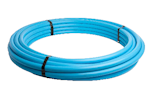
Across Canada, many municipalities still rely on traditional copper service lines or early-generation plastic piping for their water service connections. While these legacy systems have served communities for decades, they come with limitations: Photo of coiled LYNX-PEX pipecorrosion, costly repairs, reduced flow over time, and energy inefficiencies. As infrastructure ages and municipalities face increasing pressure to modernize, the need for a smarter, long-term solution has never been clearer.

 Enter LYNX-PEX™ — the Next Evolution in Municipal Water Service Tubing 

Proudly made in Canada by CB Supplies Ltd., LYNX-PEX is constructed from durable PEX-b material, known for its strength, flexibility, and long-term performance. Designed to meet and exceed ANSI/AWWA C904, ASTM F876, and CSA B137.5 requirements, Made in CanadaLYNX-PEX boasts the industry’s highest chlorine and UV resistance ratings for PEX tubing. It’s also certified to NSF/ANSI/CAN 61 and NSF/ANSI 14, meeting the most stringent standards for drinking water systems. Backed by a worry-free 25-year warranty, it’s built for peace of mind and long-term reliability.

LYNX-PEX coil of pipeUnlike copper, which can corrode or accumulate mineral buildup over time, LYNX-PEX offers superior corrosion resistance, ensuring clean, high-quality water for decades. Its smoother inner wall surface delivers maximum long-term flow rates, reducing the energy needed for pumping and improving overall system efficiency.

Installation is another area where LYNX-PEX stands out. It’s lightweight, flexible, and doesn’t require special tools, cutting down on installation time and labour costs. With the industry’s maximum UV resistance rating available, and maximum chlorine resistance ratings for PEX, municipalities can be confident they’re installing a product built to withstand Canada’s diverse environmental conditions.

LYNX-PEX pipe attached to watermain with saddleSize & Coil Lengths

Available in CTS OD SDR-9 sizing, LYNX-PEX comes in the following diameters:

  • ¾”, 1″, 1¼”, 1½”, and 2″
  • To suit a range of installation needs, LYNX-PEX is supplied in continuous coils, lengths include:
  • 100 ft., 300 ft., 500 ft., and 1,000 ft.

Pressure Ratings

Design temperature and pressure ratings for LYNX-PEX Water Service Tubing are:

  • 160 psi @ 73ºF, per CSA B137.0 section 6.6.3.1
  • 100 psi @ 180ºF, per CSA B137.0 section 6.6.3.1
  • 200 psi @ 73ºF, per CSA B137.0 section 6.6.3.2.2

These ratings ensure high performance under varying temperature and pressure conditions typical of municipal applications.

Codes and Standards

LYNX-PEX Water Service Tubing is certified to meet or exceed the following codes and standards:

  • ANSI/AWWA C904 – Crosslinked Polyethylene (PEX) Pressure Tubing for Water Service
  • ASTM F876 – Standard Specification for Crosslinked Polyethylene (PEX) Tubing
  • ASTM F877 – PEX Hot-and Cold-Water Distribution Systems
  • CSA B137.5 – PEX Tubing Systems for Pressure Applications
  • NSF/ANSI/CAN 61 – Drinking Water System Components – Health Effects
  • NSF/ANSI 14 – Plastic Piping System Components and Related Materials
  • NSF/ANSI/CAN 372 – Drinking Water System Components – Lead Content
  • International Plumbing Code® (IPC)
  • International Mechanical Code® (IMC)
  • International Residential Code® (IRC)
  • Uniform Plumbing Code® (UPC)
  • Uniform Mechanical Code® (UMC)
  • ASTM F2023 – Oxidative Resistance of PEX to Hot Chlorinated Water
  • ASTM F2657 – Outdoor Weathering Exposure of PEX Tubing

These certifications confirm that LYNX-PEX is not only compliant with North American regulatory frameworks but also engineered for lasting performance in real-world municipal conditions.

 LYNX-PEX with Tracer Wire – Built-In Detectability for Added Peace of Mind 

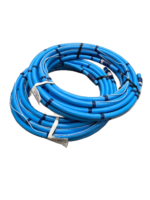
Two coils of LYNX-PEX pipeFor applications where future location and detection are critical, LYNX-PEX Water Service Tubing with Tracer Wire offers a smart, high-performance solution. Manufactured with integrated 14-gauge (AWG) white tracer wire, this tubing allows for quick and accurate detection after installation—minimizing the risk of accidental damage during future excavation or construction work.

Available in ¾”, 1″, 1¼” & 1½” CTS OD SDR-9 sizes, with standard coil lengths of 60 ft., 75 ft., and 100 ft., this variant maintains the same durable, corrosion-resistant PEX-b construction as standard LYNX-PEX. Custom coil lengths, wire gauge and colour of sheathing for wire gauge are also available upon request, providing added flexibility for project-specific needs.

In a time when infrastructure spending needs to be both strategic and future-focused, LYNX-PEX gives municipalities a dependable, Canadian-made solution that improves performance today and delivers long-term value.

Nothing LYNX better!

Michael Boudreau P.Eng.

CB Supplies Logo

For more information on LYNX-PEX™ Municipal Water Service Tubing, please visit cbsupplies.ca

The information presented in this article is based on professional experience and a review of relevant materials. Any resemblance to existing articles is purely coincidental.

Share

Your Insights, Our Focus: Advancing Security Risk Management Together

Over the years, we’ve explored numerous critical areas of security and risk management together, diving deep into topics that shape the resilience and safety of our organizations. We’ve engaged many members with thoughtful discussions on Physical Security Trends and Predictions, comprehensive explorations in our nine-part series on Crime Prevention Through Environmental Design (CPTED), and insights into Business Continuity Management to maintain operational integrity during challenging times.

We’ve addressed essential themes like Situational Awareness, critical insights on Security Risk Budgeting, the foundational elements contributing to Risk and Security Program Success, confronting Risk Complacency, and cultivating Organizational Resilience. Moreover, we’ve analyzed broader frameworks such as Enterprise Security Risk Management (ESRM) and practical guides for conducting effective Security Risk Assessments.

As valuable as these discussions have been, the most crucial insights often come directly from you. We understand that security and risk management may not be your primary area of expertise, and your days are busy managing numerous municipal priorities. Yet, your perspective, challenges, and questions are essential.

Now, we’re turning the conversation back to you. We want to hear directly about what matters most in your daily responsibilities—what areas of security risk management do you wish were clearer, more accessible, or simply better addressed?

Your feedback and questions will guide our future content, ensuring it’s relevant, actionable, and tailored precisely to your needs. Whether it’s a specific issue you encounter regularly, a broader conceptual framework, or practical guidance you wish to explore, we’re eager to listen and respond.

Please take a moment and reach out to share your thoughts, questions, or topic suggestions. Your input is vital, valued, and appreciated.

Contact me directly at [email protected]. Let’s continue building safer, more resilient communities—together.

Share

A Year in Review: Physical Security Trends and Predictions for 2025

As 2024 comes to a close, it is crucial to reflect on the lessons learned, challenges faced, and advancements made in the field of physical security. This year saw significant shifts in the way organizations, governments, and individuals perceive and implement security measures. Emerging technologies, evolving threat landscapes, and geopolitical tensions all played a role in shaping the physical security landscape.

In this article, we explore the key physical security trends of 2024, analyze the common threats and risks faced, and provide insights into what the coming year may bring, including the growing significance of Crime Prevention Through Environmental Design (CPTED) principles.

Key Physical Security Trends in 2024

1. Integration of Physical and Cybersecurity

One of the most noticeable trends of 2024 was the convergence of physical and cybersecurity. With the rise of Internet of Things (IoT) devices, particularly in surveillance and access control systems, vulnerabilities in cybersecurity increasingly posed risks to physical security. For example, ransomware attacks on physical security infrastructure, such as smart locks and video surveillance systems, became more frequent.

Key takeaway: Security professionals must adopt a holistic approach that considers both physical and cyber threats as interlinked aspects of overall safety.

2. Advancements in AI-Powered Surveillance

Artificial Intelligence (AI) played a transformative role in video surveillance. AI-driven systems enhanced capabilities in detecting suspicious activities, recognizing individuals, and even predicting potential threats through behavioral analytics. However, concerns regarding privacy and ethical use of these technologies remained a significant issue.

Key takeaway: The balance between enhanced security and privacy compliance will remain a focal point moving forward.

3. Focus on Workplace Violence Prevention

With workplace violence incidents on the rise globally, organizations prioritized measures to safeguard employees. These included more robust access management, improved training programs, and the integration of early warning systems to detect potential threats.

Key takeaway: Comprehensive risk assessments and proactive training programs are essential in preventing workplace violence.

4. Increased Emphasis on Sustainability and CPTED

Sustainability and Crime Prevention Through Environmental Design (CPTED) principles became intertwined as organizations sought security measures that aligned with global environmental goals. CPTED principles—such as natural surveillance, territorial reinforcement, and access control—were increasingly incorporated into sustainable designs for urban planning, commercial developments, and even residential neighborhoods.

Examples included:

  • Natural Surveillance: Using landscaping and lighting to maximize visibility in public areas, reducing opportunities for crime.
  • Territorial Reinforcement: Designing physical spaces to foster a sense of ownership and deter unauthorized access, such as defined property boundaries and community-focused layouts.
  • Access Control: Integrating physical barriers like fencing, gates, and bollards in a way that complements architectural aesthetics.

Key takeaway: The integration of CPTED into sustainability initiatives is not just a trend but a necessity, helping create safer and environmentally friendly communities.


Threat Trends in 2024

1. Insider Threats

Insider threats continued to dominate the risk landscape. Disgruntled employees, social engineering tactics, and poor access management protocols contributed to many security incidents. The overlap between insider threats and hybrid work environments amplified the challenges for security teams.

2. Geopolitical Tensions and Critical Infrastructure

Heightened geopolitical tensions increased the targeting of critical infrastructure, such as power grids, water facilities, and transportation networks. These attacks often combined cyber and physical elements, exemplifying the need for cross-functional security measures.

3. Climate-Related Risks

Natural disasters, exacerbated by climate change, posed threats to physical infrastructure. Security measures needed to account for severe weather events, from securing facilities against flooding to managing evacuation protocols. CPTED principles, such as defensible space and proper site planning, were increasingly applied to address climate risks in urban environments.

4. Public Spaces and Mass Gatherings

Public spaces and mass gatherings remained vulnerable to violent incidents, including active attacker situations and terror attacks. Security for these venues required greater emphasis on rapid response capabilities and crowd management strategies. CPTED principles, such as controlling pedestrian flow through thoughtful design and incorporating natural barriers, played a vital role in reducing vulnerabilities.


Common Areas of Physical Risk

1. Access Management

Despite advancements in technology, unauthorized access remained a persistent risk. Common vulnerabilities included poorly managed visitor access, unsecured entry points, and reliance on outdated lock-and-key systems.

2. Video Surveillance Gaps

While surveillance systems have become more sophisticated, gaps in coverage, insufficient storage capabilities, and inadequate monitoring persisted as vulnerabilities.

3. Emergency Preparedness

Many organizations struggled to maintain comprehensive emergency response plans. Limited training, lack of coordination with first responders, and outdated communication systems were frequent issues.

4. Design Flaws in Public Spaces

Design flaws in public and shared spaces emerged as a common area of risk. Poor lighting, obstructed sightlines, and lack of clear territorial markings contributed to increased vulnerability to crimes. These issues underscored the importance of incorporating CPTED principles during the planning and retrofitting phases of public and commercial developments.


Looking Ahead: Predictions for 2025

1. Wider Adoption of Biometric Systems

Biometric access management systems, such as facial recognition and fingerprint scanning, are likely to become more prevalent. These technologies offer enhanced security but will require careful implementation to address privacy concerns and mitigate false positives.

2. CPTED for Smart Cities

As urban areas embrace “smart city” initiatives, CPTED principles will be adapted to fit interconnected and data-driven environments. Smart lighting, integrated traffic management systems, and AI-enabled public safety networks are poised to redefine urban security. For instance, AI-powered streetlights could adjust their brightness based on pedestrian activity, enhancing natural surveillance.

3. Hybrid Security Models

The future lies in hybrid security models that combine physical barriers with advanced digital technologies. For instance, integrating drones for perimeter surveillance with AI-powered monitoring systems could enhance security coverage significantly.

4. Regulatory Changes and CPTED Guidelines

Governments are expected to introduce stricter regulations around data protection and privacy in security systems. Simultaneously, CPTED-specific guidelines may evolve, emphasizing community safety in the context of sustainable urban design.

5. Greater Emphasis on Training and Resilience

With threats becoming more unpredictable, training programs will focus on building organizational resilience. This includes not only physical security measures but also psychological preparedness, CPTED-informed crisis management strategies, and enhanced communication protocols.


Conclusion


The past year underscored the evolving nature of physical security, marked by technological advancements, new threat paradigms, and a growing emphasis on sustainability and CPTED principles. As we enter 2025, security professionals must remain agile, continuously learning and adapting to the dynamic risk landscape. By leveraging technology responsibly, incorporating CPTED into all phases of design, and fostering cross-functional collaboration, the physical security community can rise to meet the challenges ahead.


If your Municipality wants to learn more about this topic and read the full article version visit here. Feel free to contact me directly at [email protected] for further assistance.

Share

Peel Region’s Asset Management Journey

By Leanne Brannigan, Acting Director, Enterprise Asset Management, Region of Peel (ON)

How do you “do” asset management… and where do you start?

The simple answers are, “Just do it”, and “Start from wherever you are”!

Peel Region LogoEvery municipality is at a different place in their journey, and that’s okay. They have differing levels of asset management maturity, differing data and information and different levels of organizational buy in and support. The best tip is to start where you are and reach out to your local communities of practice (yes they exist across the country, I am most familiar with Asset Management Ontario), the Canadian Network of Asset Managers, the Federation of Canadian Municipalities or any of the numerous asset management training partners across the country. Many have free tools to figure out where you are, your best next steps to gap fill, and tools to help you along that journey.

At Peel, we have been on our asset management journey since 2007 (Journey is documented on page 27 & 28 of our EAMP that I have added for reference at the end of this write up). Our leadership recognized that the Region’s infrastructure is necessary to provide service levels that the public expects, achieve Term of Council Priorities, and realize the vision of the Region of Peel as a Community for Life. This realization of our senior leadership that using tangible capital asset accounting (TCAA) data is a backwards looking exercise, and that asset management allowed us to look forward to ensure that we continued to meet the levels of service that our community expected was foundational for our journey. Maintaining existing assets in a state of good repair and building new infrastructure which meets current and future needs is critical to the success of the Region of Peel.

Across the organization we had data and asset information gaps, and the data that we did have was a different levels of maturity, age, accuracy and in different systems and sources. That did not stop us from using what we did have to compile and show evidence of the necessity of an infrastructure levy to support future infrastructure and service delivery and to help establish intergenerational equity. The ones using the infrastructure should be the ones paying for it. Council established our first infrastructure levy in 2008 based on the work that our asset management team did and our journey has continued from there.

Establishing an asset management team soon followed and Peel developed a risk-based approach to asset management. This approach is integrated with the Region’s Strategic Plan and the Long Term Financial Planning Strategy and supports the desired service outcomes and the long term goal of a Community for Life. This did not happen over night and was a slow progression as our maturity developed and we built confidence with the Program and service delivery areas, senior leadership and Council

Today, Enterprise Asset Management is an integral part of the Region of Peel’s strategic and long-term planning practices. It focuses on developing sustainable plans to maintain the infrastructure over a planning horizon that can be as long as 100 years. Guided by the principle of continuous improvement, these plans support Council’s level of service targets and long-term financial strategies. The Region’s Asset Management program is guided by industry best practice, as well as regulatory requirements. The program is continuously evolving to leverage opportunities and address challenges.

The Enterprise Asset Management Plan uses lifecycle models to forecast infrastructure condition, reinvestment needs, and asset related risks to service. The models are specific to the Region’s assets and use the most recently available asset information, allowing us to regenerate risks and recommendations multiple times per year to support Capital Planning, and support annual Public issuing of our Infrastructure Status and Outlook Report which is a report card style report, as well as our more comprehensive Enterprise Asset Management Plan.

However, despite our accomplishments and being embedded in the organization, you are never done in asset management. To support the Region’s approximately $43 Billion of infrastructure we are committed to being a strong steward of the public’s infrastructure assets and are on a continuous improvement journey to ensure continued provision of high quality and affordable municipal services to the Peel community. We are currently supporting the organizational implementation of an Enterprise Asset Management System, development and improvement of decision support systems, integration of climate change adaptation and mitigation into our risk analysis and recommendations and have initiated work on a Diversity, Equity and Inclusion Strategy for integration into asset management considerations. It is a journey that makes asset management an exciting, strategic and valuable part of the municipal framework and an enviable profession to be a part of.

Enterprise Asset Management Road Map

Steps in Asset Management Road MapEnterprise Asset Management is an integral part of the Region of Peel’s strategic and long-term planning practices. Introduced in 2007, the program focuses on developing sustainable plans to maintain the infrastructure over a planning horizon that can be as long as 100 years. Guided by the principle of continuous improvement, these plans support Council’s level of service targets and long-term financial strategies. The Region’s Asset Management program is guided by industry best practice, as well as regulatory requirements. The program is continuously evolving to leverage opportunities and address challenges.

Although the Region of Peel’s long-term asset planning program has been in place since 2007, it is still good practice to review the program to accommodate emerging trends. In 2017, the Region retained an independent third-party consultant to initiate a comprehensive asset management program review. The objective of the review was to align the Region’s asset management practices with industry best practices. As a result of the review, over the next several years several initiatives have been proposed. These initiatives will address emerging trends as well as focus on identified gaps.

Changes since the 2018 Enterprise Asset Management Plan

Asset Management Changes

  • Enterprise Asset Management (EAM) division established within the Finance department.
  • The Region’s Asset Management Policy has been updated to meet the new Ontario Regulation 588/17.
  • Assets supporting the Affordable Housing service managed by Peel Housing Corporation and Police service managed by Peel Police are incorporated into Asset Management reporting.
  • Operations and Maintenance costs incorporated into Service areas for full lifecycle costing considerations.

Improvements for the Future

  • Staff is undertaking many technical studies and condition assessments to improve knowledge of the Region’s infrastructure conditions.
  • Asset Management planning process improvements are being made across several services to improve investment forecasting and to manage risks to Regional services.
  • An Enterprise Asset Management System will be introduced to support asset management functions across the organization.
  • Assets supporting Peel Information Technology Infrastructure and Green Infrastructure will be added to the Enterprise Asset Management Plan in the 2024 reporting cycle.

1 In accordance with ISO (International Organization for Standardization) 55000

Share

Innovative Stormwater Management Solutions: GreenStorm Stormwater Boxes


Who is Stormcon?

Stormcon is an industry-leading stormwater management solutions provider, located at 69 Connie Crescent in Concord, Ontario. Specializing in engineering and design with a commitment to optimizing valuable real estate, Stormcon distinguishes itself through innovation and technological advancements. Their dedication extends to enhancing the stormwater management industry both in Ontario and internationally.

What is GreenStorm?

Excavator supported by GreenStorm blocks

Figure 1: A live demonstration featured a CAT 345 excavator standing freely on 10 GreenStorm blocks, with 5 supporting each track. The excavator, weighing as much as approximately 20 half-ton pickup trucks, remained in this configuration for about 45 days. The conclusion of the demonstration saw the excavator safely brought down, leaving both GreenStorm and its surroundings undamaged

GreenStorm, an innovative stormwater management solution exclusively produced and distributed by Stormcon for the North American market, originates from Germany and boasts a successful track record of over 30 years across Europe. What sets GreenStorm apart from other solutions is its remarkable ability to withstand up to 27 tonnes of vertical loading, while being composed of up to 70% recycled polypropylene plastic. Despite its robust construction, it remains exceptionally lightweight, facilitating easy handling in the field.

With a 100% inspectable design and a 96% void ratio, GreenStorm maximizes water storage efficiency. Engineered to meet CL-625-ONT Live Load requirements, it complies with Canadian Highway Bridge Design Code standards, adheres to ISO Standard 4981, and is an approved stormwater management product through The Road Authority agency. GreenStorm can be stacked up to 5 layers high (3.30 m) and comes with accessories such as Access Shafts, which allows for surface access without the need for human entry. Typically installed beneath roads, parking lots, and green spaces, GreenStorm combines durability, sustainability, and practicality in stormwater management.

How does GreenStorm Benefit Our Community?

Community & Environment

  • Significantly reduces sediment entering the natural environment by eliminating the risk of embankment erosion, a common issue in conventional stormwater management facilities.
  • Enables the allocation of more parkland, fostering increased green space and community areas.
  • Eliminates the potential risk of drowning, a concern often associated with traditional stormwater management facilities.
  • Substantially reduces or eliminates mosquito breeding grounds, addressing a common issue linked to the transmission of West Nile Virus.

Financial

  • Facilitates the construction of additional homes, maximizing land utilization.
  • Local manufacturing generates jobs and stimulates the local economy across various sectors, including labor, trucking, manufacturing, construction, and management.
  • Yields parkland dedication benefits.
  • Boasts low operation and maintenance costs.

For more information on GreenStorm and Stormcon, contact us:

844-787-6266
[email protected]
https://www.stormcon.ca/
299 Brock Rd. S., Puslinch, ON N0B 2J0


Construction site with GreenStorm installation in progress  Construction site with GreenStorm installation in progress

Share

Part 9 – The Series – Unveiling the Strategies of Crime Prevention Through Environmental Design (CPTED) for Government Facilities

This is the ninth and concluding installment article in a series of articles addressing Crime Prevention Through Environmental Design (CPTED) in Government Facilities. Note that all the strategies mentioned throughout the articles presented can be applied to a variety of facilities and organizations.

Conclusion: The Future Path of Crime Prevention Through Environmental Design (CPTED)

As we navigate the intricate landscape of urban development and security, Crime Prevention Through Environmental Design (CPTED) stands as a testament to the power of interdisciplinary approaches in crafting safer, more resilient spaces. The journey of CPTED, from its roots in enhancing visibility and control within environments to its current embrace of technological and social advancements, reflects a dynamic and evolving field. The principles of natural surveillance, access control, territorial reinforcement, and maintenance have proven pivotal in reshaping not just the physical environment but also the social fabric of communities.

In government facilities, the application of CPTED has taken on critical importance, offering a blend of enhanced security, public safety, and cost-effectiveness, all while maintaining the aesthetic and functional integrity of these spaces. The implementation of CPTED in such settings has not only mitigated the risks of criminal activities but also fostered a sense of trust and wellbeing among the public and employees.

Looking ahead, the future of CPTED is marked by exciting innovations and trends. The integration of smart surveillance technologies, the emphasis on green and sustainable design, and the adoption of data-driven approaches promise to elevate CPTED’s effectiveness to new heights. The commitment to community-oriented designs and integrated urban planning underscores a shift towards more inclusive, participatory approaches in creating safe spaces.

However, as CPTED continues to evolve, it faces its own set of challenges and limitations. Balancing the need for security with concerns over privacy and inclusivity, adapting to diverse and changing urban landscapes, and ensuring the integration of CPTED principles into broader social and economic strategies remain ongoing challenges. The success of CPTED will depend on its ability to remain flexible, responsive, and holistic, addressing not just the physical aspects of crime prevention but also the underlying social dynamics.

In conclusion, Crime Prevention Through Environmental Design (CPTED) stands at the crossroads of tradition and innovation. As it continues to adapt and integrate with emerging technologies and societal trends, CPTED is poised to play a vital role in shaping the future of urban spaces. Its journey forward is one of balancing security with community needs, embracing technological advancements while staying true to its core principles, and continually striving for safer, more inclusive, and sustainable environments. The path ahead for CPTED is not just about preventing crime but about fostering environments where communities can thrive in safety and harmony.

If your Municipality wants to learn more about this topic and read the full article version visit here. Feel free to contact me directly at [email protected] for further assistance.

Share

Part 6 – The Series – Unveiling the Strategies of Crime Prevention Through Environmental Design (CPTED) for Government Facilities

This is the sixth installment article in a series of articles addressing Crime Prevention Through Environmental Design (CPTED) in Government Facilities. Note that all the strategies mentioned throughout the articles presented can be applied to a variety of facilities and organizations.

Exploring the Concept of Territoriality in Crime Prevention Through Environmental Design

Territoriality plays a pivotal role in the domain of Crime Prevention Through Environmental Design (CPTED). It involves the strategic use of physical design elements to express and reinforce ownership over a space. The underlying principle of territoriality is the belief that well-defined spaces, which clearly signal ownership, are more likely to be well-maintained and less susceptible to criminal activities. By delineating clear boundaries between public, semi-public, and private areas, territoriality fosters a sense of stewardship among occupants or users. This heightened sense of ownership and responsibility is a powerful deterrent against potential offenders, as they perceive a higher risk of detection and intervention in such distinctly marked areas.

Implementing territoriality effectively requires several design elements. Signage, for instance, is an integral component. It is used not only to mark property boundaries and indicate surveillance areas but also to convey rules or regulations, setting the tone for appropriate behavior within a space. Thoughtful landscaping also contributes to territoriality. By strategically placing shrubs, flower beds, and lawns, spaces can be subtly demarcated, distinguishing between public and private areas without the need for imposing fences or walls.

Fencing and physical barriers are more direct expressions of territoriality. Fences, gates, and walls can clearly outline the extents of a property, indicating areas that are private. However, these physical barriers can be designed in a way that maintains sightlines, ensuring that natural surveillance is not compromised. The use of different pavement and ground design materials can also help indicate different zones, guiding movement and reinforcing territorial delineation.

The orientation and design of buildings play a significant role in enhancing territoriality. Front porches, entrance designs, and building façades facing public streets can increase a sense of ownership and monitoring over adjacent spaces.

Various government facilities have successfully applied the principles of territoriality. Embassies and diplomatic buildings, for example, often combine fencing, gates, and guard stations to delineate their territory clearly. Landscaping and signage are also strategically used to emphasize the sovereign nature of these spaces. Public libraries and civic centers create welcoming yet well-defined public areas through a blend of open spaces, clear signage, and landscape elements. These designs emphasize communal ownership while deterring inappropriate behavior.

Schools and educational facilities, particularly those in close proximity to government zones, implement territoriality through fencing, controlled entry points, and clear signage that indicates school property, thereby enhancing the safety of students and staff. City halls and municipal offices often feature clearly marked entrances and public plazas with distinct design elements, alongside landscaping that demarcates public versus restricted areas.

Parks and recreation areas near government buildings also employ territoriality through signage, walking paths, and landscaping. These elements define areas intended for specific uses, such as playgrounds, picnic areas, and open fields, promoting a sense of community ownership and care.

In these diverse applications, territoriality is leveraged not merely for its aesthetic appeal but as a strategic component of safety and security. By clearly defining and expressing ownership of spaces, government facilities can create environments that are both welcoming and secure. This approach effectively discourages criminal activities through a subtle yet effective blend of design and psychology, demonstrating the profound impact of territoriality in CPTED.

If your Municipality wants to learn more about this topic and read the full article version visit here. Feel free to contact me directly at [email protected] for further assistance.


Share

Part 5 – The Series – Unveiling the Strategies of Crime Prevention Through Environmental Design (CPTED) for Government Facilities

This is the fifth installment article in a series of articles addressing Crime Prevention Through Environmental Design (CPTED) in Government Facilities. Note that all the strategies mentioned throughout the articles presented can be applied to a variety of facilities and organizations.

Understanding the Significance of Maintenance in Crime Prevention Through Environmental Design

In the sphere of Crime Prevention Through Environmental Design (CPTED), the role of maintenance is often understated yet crucial. Anchored in the “Broken Window Theory,” which posits that visible signs of neglect, such as broken windows, graffiti, or overgrown landscapes, can fuel further criminal and anti-social behavior, maintenance becomes a key player in the CPTED strategy.

The essence of maintenance in CPTED lies in promoting a sense of care. Regular and diligent maintenance of a space sends a clear message that the area is monitored and cared for, thereby deterring potential criminal activities. This perception of vigilant oversight significantly increases the likelihood of offenders being caught or confronted, acting as a powerful deterrent.

Furthermore, effective maintenance plays a pivotal role in enhancing other core principles of CPTED. It ensures that natural surveillance measures, such as lighting and clear sightlines, are consistently effective. Well-maintained lighting is crucial for visibility, especially during nighttime, while keeping landscapes clear and tidy preserves essential sightlines, both of which are vital for effective surveillance and access control.

The impact of maintenance extends to both perceived and actual safety. From a perception standpoint, a well-maintained environment significantly boosts the feeling of safety among users. People are naturally more inclined to frequent and engage with spaces that are orderly and well-cared-for. Visible maintenance efforts also reassure the public and employees about the security and active management of a facility.

In terms of actual safety, regular maintenance is key in promptly addressing potential security risks. This includes fixing broken fences, ensuring that lights are functioning correctly, and keeping surveillance mechanisms unobstructed. By reducing hiding spots and potential escape routes, proper maintenance directly contributes to mitigating security vulnerabilities.

The importance of maintenance in CPTED is illustrated through various real-world applications, particularly in government facilities. City parks and public spaces near government buildings, for instance, undergo regular maintenance to ensure clear visibility and overall environmental upkeep. This includes tasks like tree trimming, lighting repairs, and graffiti removal, which enhance both safety and aesthetics.

In government office buildings, routine checks and maintenance of surveillance systems, lighting, and access control mechanisms are standard practice. These measures ensure the functionality of security systems and the elimination of blind spots caused by overgrown foliage.

Courthouses and judicial centers exemplify high standards of maintenance, focusing on clear signage, well-lit entrances, and unobstructed walkways. Maintenance crews in these facilities are often tasked with immediate repairs to prevent any security lapses.

Similarly, maintenance is a critical aspect of security in transportation hubs near government areas. Metro stations or bus stops close to government facilities are maintained to ensure safety, orderliness, and functionality, contributing to the overall security of the area.

Additionally, public housing near government offices often receives regular maintenance as part of community safety initiatives. Regular trash removal, fixing broken amenities, and ensuring communal areas are clean and well-lit are part of these efforts.

In these contexts, maintenance transcends beyond aesthetic appeal and emerges as an integral component of a comprehensive security strategy. Regular and visible maintenance efforts in government facilities and their surrounding areas convey a strong message of order and control, significantly contributing to both perceived and actual safety.

If your Municipality wants to learn more about this topic and read the full article version visit here. Feel free to contact me directly at [email protected] for further assistance.


Share